1.08.2016

Work Cited

Wikipedia contributors. "Battle of Cold Harbor." Wikipedia, The Free Encyclopedia. Wikipedia, The Free Encyclopedia, 7 Jan. 2016. Web. 9 Jan. 2016.

Wikipedia contributors. "Whitworth rifle." Wikipedia, The Free Encyclopedia. Wikipedia, The Free Encyclopedia, 3 Sep. 2015. Web. 9 Jan. 2016.

Wikipedia contributors. "Battle of Fredericksburg." Wikipedia, The Free Encyclopedia.Wikipedia, The Free Encyclopedia, 12 Dec. 2015. Web. 9 Jan. 2016.

Wikipedia contributors. "Battle of the Crater." Wikipedia, The Free Encyclopedia. Wikipedia, The Free Encyclopedia, 6 Dec. 2015. Web. 9 Jan. 2016.

Wikipedia contributors. "Salisbury Prison." Wikipedia, The Free Encyclopedia. Wikipedia, The Free Encyclopedia, 2 Apr. 2014. Web. 9 Jan. 2016.

Wikipedia contributors. "Battle of Antietam." Wikipedia, The Free Encyclopedia. Wikipedia, The Free Encyclopedia, 30 Dec. 2015. Web. 9 Jan. 2016.

Wikipedia contributors. "William Bartram." Wikipedia, The Free Encyclopedia. Wikipedia, The Free Encyclopedia, 3 Jan. 2016. Web. 9 Jan. 2016.

Wikipedia contributors. "The Rime of the Ancient Mariner." Wikipedia, The Free   Encyclopedia. Wikipedia, The Free Encyclopedia, 8 Dec. 2015. Web. 9 Jan. 2016.

Wikipedia contributors. "Siege of Petersburg." Wikipedia, The Free Encyclopedia. Wikipedia, The Free Encyclopedia, 7 Dec. 2015. Web. 9 Jan. 2016.

Theme Analysis (Essay)

            Inman began his quest with the intentions of finding Ada and marrying her. Throughout his long journey, he stayed devoted and loyal, risked people’s lives, and even cheated death multiple times.
            First of all, since the very beginning, Inman stayed devoted and loyal to Ada even though he had multiple opportunities to cheat on her and be unfaithful. For example, in chapter 5, Exile and Brute Wandering, when Inman and Veasey spent the night over the prostitute’s Inn, Inman could’ve had the opportunity to sleep with one of the “whores”, but instead he decided to spend the night in a room with a roommate, Odell. Another example that demonstrates Inman’s loyalty and devotion towards Ada is revealed in chapter 13, Bride Bed Full of Blood. In that chapter, when Inman is offered to stay over Sara’s house and spend the night in her bed sleeping with her, Inman felt pity towards her, and seeing in the depressing situation she was, he agreed, in order to please her and make her feel for one last time the comfort and happiness of a happy couple, he laid beside her, but absolutely nothing happened between the both of them. Even though Inman was tempted several times, he disregarded and avoided all the opportunities and chances because no one could completely fill Inman’s heart but Ada.
            Secondly, throughout his journey back to Cold Mountain, Inman risked Sara’s life when he stayed over her house. When the home guards passed by Sara’s house, and Inman had to hide from them in order not to get caught, he risked her life and her baby’s, because the guards could have suspected that Inman was around there, and with the purpose of obtaining information from him (Inman), the home guards could have threatened, tortured, or even killed Sara and/or her baby. The fact that he, unintentionally risked these people’s life, reveals one of the many things Inman was willing to do in order to stay alive and be able to reunite with his beloved Ada once again.
            Lastly, Inman cheated death multiple times while he was traveling back to Cold Mountain. For instance, in chapter 9, To Live Like a Gamecock, when the guards captured Inman and Veasey, and then aligned all the men, along with them, in order to shoot them, Inman managed to escape even though he got a superficial wound in his head due to the gunshot. Another example of how Inman cheated death is revealed in chapter 15, A Vow To Bear, when Inman had to confront the bear and her cub. Inman was able to make it out alive without even having to kill the bear. The only thing that kept Inman with that zest for life was Ada, and the fact that he wanted to see her again.

            To sum it up, throughout Inman’s quest, he not only cheated death, risked Sara and her baby’s life, but he also stayed faithful to Ada all the time. Even though he was killed at the very end, probably in the most pathetic, ironic and ignorant way, Inman’s purpose and goal was attained, he even left Ada a part of him, their daughter. 

Map Of Inman's Journey


For more information and details of the map go to the following link: http://www.scribblemaps.com/maps/view/cold_mountain_/sWnPNrUR3r

1.07.2016

Chapter 20: Spirits Of Crows, Dancing

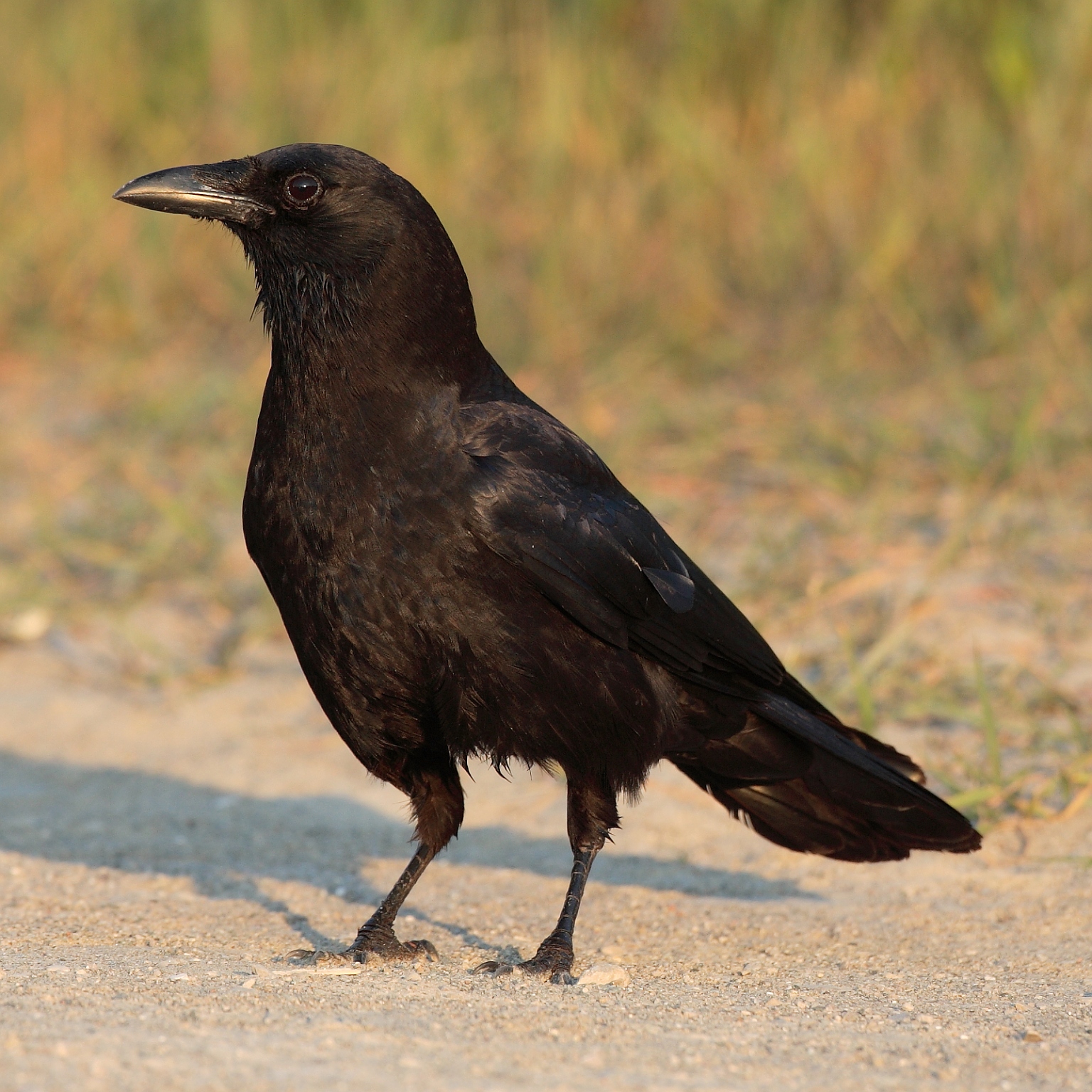
1a. The tittle of the chapter, Spirits of crows, dancing, refers to what Inman saw in his last minutes alive. The spirits of crows dancing foreshadow Inman’s death.
     The next morning they wake up. They start talking about the war and Inman tells her he doesn’t want to go back. Ada tells him that she doesn’t want him to hide because it’s dangerous. They finally reach an agreement and decide that he should walk north and surrender to the federal army. They both promise to each other to stay faithful to the future. Stobrod is fine and healed. Ada and Ruby leave for Black Cove. Inman and Stobrod follow them later. When they pass Pangle’s grave, Stobrod remembers his friend and gets sad. As they continue their journey they hear noises behind them. It’s Teague, a boy, and some other men. Inman hits Ada’s horse with Stobrod on top to get him out of danger. Inman shoots two of the men, and the boy escapes into the woods. Teague then threatens Inman with a knife then Inman shoots him. Inman then find the boy behind a tree. The boy, named Birch ,tells Inman that if they both live he will come for him. Birch falls on the ground and Inman tells him to put his gun down, but Birch shoots Inman. Ada hears the gunshots and rushes back to Inman. She finds him on the ground and holds him in her lap, as he dies, Inman has visions of crows and all the seasons blended together.

1b. Author's Style: In this chapter, the author uses simile, and imagery.
      Simile: "When Ada disappeared into the trees, it was like a part of the richness of the world had gone with her." The author uses this simile to show the reader how much Ada meant to Iinman. Frazier compares Ada's with part of the richness of the world.
      Simile: "The boy looked at him and his blue eyes were empty as a round of ice frozen on a bucket top" The author uses this simile to show how cold the boy's stare was by comparing it to ice frozen on a bucket top.

      Imagery: "They passed by Pangle's grave, and it lay in the shade on the north slope, and the snow still covered it almost up to the lashed joint of Ada's locust cross. " This imagery enables the reader to visualize Pangle's grave.

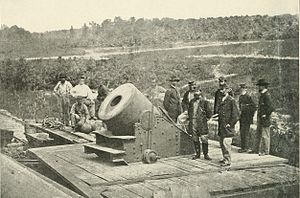
1c. Historical Context: “Short-handed as they were, he would be received with open arms and then immediately be put back in the muddy trenches of Petersburg, where he would try to keep his head down and hope for an early end.” This statement matches the time period of the book, 1864, because during this time the siege of Petersburg was still taking place in Virginia. According to my source The Siege of Petersburg was a series of battles around Petersburg, Virginia fought from June 9, 1864, to March 25, 1865, during the American Civil War.

2a. Inman in this chapter feels liberated from his past as he starts thinking about a future with Ada. The crows he sees at the very end seem to represent Inmans sadness and independence of his soul.

2b. Birch seems to be numbed by all the violence he has seen throughout his life. It is ironic and pathetic that even though Inman is a strong man, who has defeated more than one federal, is killed in the hands of a traumatized boy such as Birch.

3b.

Chapter 19: The Far Side Of The Trouble

1a. The tittle of the chapter, The far side of trouble, refers to how Inman felt when he finally reached Ada; he had at last came out on the far side of trouble, and had no wish to revisit it.
      They all sit together in a cabin. The men go to sleep and the women stay up cleaning. They cook the turkey and Ruby tells Ada she doesn’t need Inman, and Ada tells Ruby she doesn’t want to become an old bitter woman. Inman wakes up and gives Stobrod some water from the stream. He then eats some turkey as Ruby leaves. Inman and Ada are alone, and in order to break the silence Inman reads Ada a story from his book which is about sex. Inman the leaves to wash the dishes, but he then starts thinking about her and goes back to the house. Ada tells Inman about the letter she wrote to him. They then start talking about their future. Ruby comes back and Inman leaves. Ada then tells Ruby that her father can recover at Black Cove farm. The following day, Inman and Ada go hunting for fun, but they don’t catch anything. Ada then tells Inman she wants to keep Ruby near her. Then they return to the camp and the men go to bed. That night Ruby stays besides Stobrod , and Ada and Inman sleep together. During the night they talk about the past. Inman doesn’t talk about the war, but he tells her about his journey back home. They then talk about their marriage plans and how happy they will live together.

1b. Author's Style: In this chapter the author includes similes and imagery
      Simile: "The snow no longer spilled hard out of the sky in fat flakes; it came down soft and fine like ground cornmeal falling from between millstones." the author compares the snow to cornmeal falling between millstones using the word like.

      Imagery: "Ruby took up a stick and drew out a map in the dirt, Black Cove. She put in the road and the house and the barn, scratched up areas to show current fields, woodlots, the orchard." This imagery enables the reader to visualize how Ruby drew the map and everything she included in it.

1c. Historical Context: “—Did you write me letters while I was in the hospital? He said.
     —Several, she said. Two during the summer and a brief note in the fall. But I did not know you were there until you were gone. So the first two letters went to Virginia
                      —They didn't find me there, he said. Tell me what they were about.
       Ada gave summaries, though not precisely of the letters as they had been.”
The fact that she mailed letter to Virginia could be considered a historical context because during the time that she sent Inman the letter, the setting, or place where Inman was, was at the battle of Fredericksburg during the year 1862 in Virginia.

2a. Inman feels full of life and is excited about all the plans him and Ada have together. Though he recognizes he has changed he is still happy because he is next to her.

2b. Ada is a person that doesnt let other's opinions influence her decisions. She also recognizes she has changed but as long as shes next to Inman she will be fine. She is the kind of person that llikes to make plans.

3b.

Chapter 18: Footsteps In The Snow

1a. The title of the chapter, Footsteps in the snow, refers to the foot prints the woman that killed Pangle left behind. I think this tittle means those footsteps will lead Inman to something else.
      Inman finds the camp where Pangle was killed. He sees the woman’s footprints but decides not to follow them because it’s getting dark. Inman is hungry but promises not to eat anything until he meets Ada. In front of the fire he rests, and hopes that Ada will take him back when they meet again. The next day, at dawn, Inman goes out to follow the footsteps, but realizes they have faded away with the snow. He then shelters himself in a grove feeling sad.  Ruby awakens and realizes her father has fever, so she makes him a poultice. Ada goes out to hunt turkeys and kills two with a shot. As soon as Inman hears the gunshots, he leaves the grove. He then sees Ada and approaches her but Ada doesn’t recognize him until the moment he speaks. They both then return to camp as Ada picks up the turkeys from the floor. Ada then starts talking about anything that goes through her head.

1b. Author's Style: In this chapter the author uses simile and imagery.
      Simile: "No matter how fast he ran, the footprints disappeared before him until they were faint, like scars from old wounds" This simile enables the reader visualize how tthe footsteps were disappearing. The author compares them with scars from old wounds to facilitate the reader's visualization.

       Imagery: "He had a line of fresh blood running from his mouth corner to his collar" This imagery is used by Frazier so the reader could see the really bad state in which Ruby's father was.
      Simile: "This time it was real snow in flakes like thistledown, falling slantwise so thick it made Inman dizzy with its movement" This simile enables the reader to visualize the way snow was falling, and he did this by comparing it to the flower thistle, and the thistledown.


1c. Historical Context: “Speculate in the most common way on the weather or recite lines from The Ancient Mariner, it was all the same.” This poem, and its message matches what Inman had gone through. According to my source The Rime of the Ancient Mariner relates the experiences of a sailor who has returned from a long sea voyage. The mariner's tale begins with his ship departing on its journey. Despite initial good fortune, the ship is driven south by a storm and eventually reacher Antarctic Waters.

2a. The changes in Inman's physical appearance reflects his internal change. Inman is so in love with Ada that he says a life with her is his true destination, not even whith his familly. This shows that Inman wouldeven be willing to give his life for her.

2b. The fact that Ada didnt recognize Inman at the beginning made him seem like everything was lost for him. Inman felt devastated so he just turns to leave and try to survive somewhere else without her. When she recognized him he felt so much happiness, but the fact that he didnt see her dressed as he expected to and awkwardness of the greeting made everything uncomfortable.

3b.

Chapter 15: A Vow To Bear

1a. The tittle of title of this chapter, A vow to bear, actually refers to a promise Inman made of not killing another bear ever in his life even though he had already eaten many in his youth and enjoyed the flavour of the meat. I believe this title means that he has to breeak the vow, and the bear the feeling of guilt for breaking his promise.
      Inman meets a woman and learns her daughter had recently passed away. He helps the woman burry her daughter and then as a way of thanking him the woman cooks him a meal. He looks at a picture the woman has. The picture is composed by a huge family, and then Inman learns the woman is the only survivor. Inman continues his journey and spends the night at an abandoned chicken house. When he wakes up he reads his book and the continues his journey. He then find three skeletons hanging from the branch of a tree. Imnan walks along a ridge of a mountain. He set up a camp to spend the night, but he is awakened by a bear and her cub. He doesnt want to shoot the bear so he puts the gun aside and tries to calm the mother. But its in vain soInman hides, then the bear jumps below on some rocks. Inman seems obligated to shoot the cub and eat it because he is hungry. He regrets killing the bear because he made a promise of never killing bears. As a result Inman creates an eighth sin, "Regret".

1b. Author's Style: In this chapter the author uses symbolism, imagery, and metaphor.
      Symbolism: "The sun was not up good yet and she was about to have to bury her child wound up in an old quilt, for she had no idea of how to make a box. Inman found himself viewing a trio of hanging skeletons swaying in the breeze and tapping into each other.  He picked up the LeMat's and shot the cub in the head and watched it pause as its grip on the tree failed and it fell to ground." These three statements from the reading symbolize that death spreads through Inman's world.

      Metaphor: "A single cub not much bigger than a man's head climbed a little way up the trunk of a young Fraser fir behind her." In this metaphor the author compares the little bear to a man's head, so the reader would have an idea of how big the cub was.

      Imagery: "The wind sweeping up the mountain carried away the smell of the bear boiling and left only the odor of wet stone" This imagery enables the reader to visualize how the smell of the boiled meat of the bear was being draged away by the wind and left a scent of humid rock.

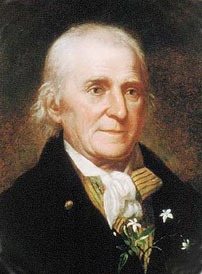
1c. Historical Context: “A picture of the land Bartram detailed leapt dimensional into Inman's mind.” This statement matches the drawings and description Bartram used to make of his landscapes, it also matches the reason why he was well known. According to my source from his mid-teens, Bartram was noted for the quality of his botanic and ornithological drawings.

2a. Inman experiences a difficult but moral situation when he murders the baby bear. Something inside of him dies when the bear dies. This shows that even though he is about to reach what he has longed for four years, he will never be able to forget what he has done.

2b. The woman's whose daughter passed away has an impact on Inman. She pretty much leaves on Inman that same feeling Sara left. A feeling of pity, depression, and tragedy. The fact that out of her entire family, the woman is the only survivor, makes Inman feel identified, because out of all his friend from war, he was the only one left alive.

3b.

Chapter 13: Bride Bed Full Of Blood

1a. The title of this chapter, Bride bed full of blood, is mentioned in the lullaby Sara sings to her sick baby. She sang "I dreamed that my bower was full of red swine, and my bride bed full of blood". This tittle makes me think of something creepy. It could be a foreshadow to a future tragedy.
      Inman, recovering from previous wounds and extremely hungry, travels through the woods
without direction. Although he wishes to escape from human society he assumes that others will
convince him otherwise. While he is walking through the woods he meets an odd man who states
that he is sympathetic to the Federals. Inman lets the man know that he has no ties with the other
side and the man admits that he doesn’t either. The man, whose name is Potts, guides him to a
house where he can have a meal. The woman that is cooking the meal explains how her husband passed away fighting before he got to meet their baby. In return for slaughtering her hog, the woman gives Inman her husband’s clothes. After being offered to sleep in the woman’s bed, he has a nightmare that creatures are chasing him. The next day three Federal soldiers appear and Sara tells Inman to flee. Inman watches from the woods as the soldiers demand money from Sara. After noticing that Sara had no money the soldiers take her hog and three chickens and leave. Inman then follows, and murders them. He then comes back with the hog and three chickens to Sara’s house. That night, Inman watches Sara as she nurses her sick baby while singing a creepy lullaby. Inman leaves the next day.

1b. Author's Style: In this chapter the author uses flashback, imagery and allusion.
      Flashback: “She told the manner in which she and John had met and fallen in love." In this flashback Sara talks about how she met John and how they had fallen in love. She is sad and crying because she misses his presence.
      Allusion: “The word to the song, though were no lullaby. They linked up to make a horrible story. A murder ballad called Fair Margaret and Sweet William." It this allusion, Frazier alludes to the song Fair Margaret and Sweet William, which goes something like " I dreamed that my bower was full of red swine, And my bride bed full of blood.

      Imagery: "They washed up and went inside, and Sara began on supper while Inman snacked on a plate of crackings that she had intended to add to the com bread. Since they wouldn't keep, she cooked up a kind of stew of the liver and lights, spiced with much onion and hot pepper. They ate and then stopped and rested. Then they ate again." This imagery enables the reader to clearly visualize the things they were both doing while they spent time together. It also enables the reader to have an idea of how the supper was going to taste; spicy and with lots of onions.

1c. Historical Context: “I attended the fight at Sharpsburg, Inman said. First they threw bombs among us and we among them. Then there was the charging and the shooting, grapeshot and musketball. Lots of boys died.” This statement matched the time period of the book, 1864, because two years before the battle of Sharpsburg had been fought; it also matches what Inman is saying because according to my source it is the bloodiest single-day battle in American history, with a combined tally of dead, wounded, and missing at 22,717


2a. This chapter reveals that Inman is a doer of deeds. He doesnt hesistate when he has to kill the three Confederate soldiers.  Inman's act of killing the confederates reveals that he  conserves his warrior instincts. In this chapter once again we can see how lucky Inman is to find benevolent people that give him a hand. It also shows once again that Inman only has eyes for Ada. Even though Inman has had the opportunity to cheat on Ada, he hasn't done it, and he has stayed loyal to her.

2b. Sara is a woman who besides the fact that she has suffered so much, she is strong. Even though her husband died, and her baby is ill, she still stands to raise her baby. I can conclude that Sara is also traumatized, since she has suffered so much, she cant stop thinking about tragedy, thats why she shings creepy and horrific lullabies to her baby.  One more time, Inman is affected by people's suffering. He feels pity towards Sara.

3b.

Chapter 11: The Doing Of It

1a. The title of this chapter, The doing of it, actually was mentioned while Inman was conversiong with the goat-woman about their lives. Inman asked the goat woman if she gone lonesome living by herself and she said that sometimes, but that there was plenty of work , and the doing of it kept her from worrying too much.
      Inman went where the slave’s map told him to go. He went through hills, through the mountain range and even its edges. He then went through 'happy valley' which is actually not a happy place at all but while he was there he prevented any confrontation with the patrols of the home guards. Inman follows a track through the forest and came across an old woman that was kind enough to offer him something to eat. Inman decides to travel with her back to her camp, then he realizes that the woman’s home was a caravan encircled by goats. The old woman killed a goat and cooks the meat for Inman. Over multiple days Inman eats meals that contain goat meat and also talks and spends some time with the goat-women. He acted like he was in a "leave" or in a "furloughed" from the army but his lie did not work as the woman didn’t believe him. She told the tale of why and how she became alive unaccompanied in the woods after leaving her abusive husband. Inman and the goat-woman talk about the war, the woman says she thinks the southern army is fighting an irreverent war to protect slavery and she also states that it’s a "curse laid on the land". Inman also talked about his thoughts and experiences by saying that man are attracted to the fight because of the boredom rather than the instinct of self-preservation. The lady gives him herbal remedies to treat his injuries. The goat woman and Inman drink bowls of laudanum, or an alcoholic solution that also works as a pain killer, then out of a sudden Inman find himself talking about Ada. Inman considers living in a hermetic life just like the goat-woman but then he realizes that it would be too solitary. The woman tells Inman that she keeps a record of her life by drawing and writing. They both talk about having to die alone, the woman then says she does not want to after she cannot maintain herself. The following day the goat woman told Inman the tale of the gentleman who would not allow her to keep her bells on her goats she had given to him. Then Inman becomes sleepy and falls asleep. He later wakes up and looks through the woman’s journals and the finds multiple drawings of goats. Then when the goat woman returns she tells Inman to be careful and also gives him a drawing of a carrion flower before he continued his journey

1b. Author's Style: In this chapter Frazier uses flashback, allusion, and imagery.
      Flashback: "I was a little ignorant girl, and he was old”. Beginning sentences of the goat's woman flashback. She was recalling how she used to live when she was forced to marry an old guy and how she came alive alone in the woods after leaving him.

      Allusion: “With one motion she pulled out a short-bladed knife and cut deep into the artery below the jawline and shoved the white basic underneath to catch the leap of bright food". When the goat-woman slaughters and cooks the goat for Inman's dinner, the ceremony mimics the standard feast-preparation formulae of Homer in the Odyssey.
      Imagery: “Later, the fog gathered up again and rain dripped on the roof of the caravan. The place smelled of herbs and roots, earth, wood-smoke." This imagery enables the reader to visualize how the caravan looked and smelled when the goat woman was cooking the goat.

1c. Historical Context: “He dreamed his dream of Fredericksburg, and then sometime shortly after dawn he awoke shivering and in a sour mood” This statement matches the time period of the book, 1864, because 2 years before the battle of Fredericksburg had being fought; battle which Inman attended, and is now traumatized for life.


2a. This chapter reveals that even though Inman has had very bad experiences at war and while traveling back to Cold Mountain, he is still somehow lucky because he, one way or the other, finds help from humble people. For instance the slave that gave him the map, and the goat women that fed him and gave him shelter for a couple days. This chapter also reveals that Inman is a good listener and that he has a good eye to identify who is kind and who is not. As soon as he looked at her in the eyes he could tell she was full of kindness despite all the harsh word she was saying.

2b. The goat woman is spiritual in the sense she knows a lot about nature and its secrets. She is able to physically heal Inman with her herbal remedies. The goat woman not only heals him physically, but emotionally. She has a huge good impact on Inman. She serves Inman as a  way of unbosoming his heart and his thoughts.

3b.

Chapter 9: To Live Like A Gamecock

1a. The title of the chapter, To live like a gamecock, actually referred to Junior's life style. He told Inman and Veasey that he lived as a gamecock when he was young. What he meant with this was that he was trained to fight, and that he was young and full of energy ad strength.
     Inman and Veasey see a saw left by itself on a tree. Veasey steals it justifying his actions by saying that God cares little for property. The two then eat pods from a honey locust tree and continue their journey. They find a man who wants to remove a dead bull from a creek. Veasey tries shifting the bull according to his theory of fulcrum and leverage but fails. Inman stops him and begins to dismember the carcass with the saw Veasey previously stole. Piece by piece the men take the body out of the creek. The man thankful for the traveler’s help offers them dinner and lodging. Inman accepts this under the condition the man would take the saw. On their way to the man’s home the three share some tales over a bottle of liquor. The man tells them his name is Junior and tells them about his youth and his promiscuous wife and her two sisters. Once at Junior’s house he meets his daughter, and the sisters and continue to drink. After noticing the stunned children Lila, Junior’s wife, tells him that the disembodied light they see in the forest is the ghost of a man Junior decapitated. Inman begins feeling dizzy and hides his haversack. Lila tries to seduce Inman right before Junior walks in and arrests both Inman and Veasey. Before leaving with other captives though he tells Veasey to officiate the marriage between Inman and Lila. The men march east for days without food. Inman grows depressed with regrets. One night the guards line up the captives and shoot them all. Inman suffers only a superficial wound and comes in and out of consciousness until he is dug out of his shallow grave by hogs. Inman uses a stone to cut the rope tying his body to Veasey’s corpse. Walking west Inman meets a slave, yellow man, who offers him a ride to his owner’s farm. When they reach the farm the slave hides him in the fodder where Inman rests and loses track of time. When Inman decides to leave the slave draws him a map for Inman as he tells him that his master taught him how to read and write, and warns him of traveling north since confederates are around. Inman thanks him wishing he had some money to repay him. Inman then goes back to Junior’s farm and kills him by hitting him repeatedly with a pistol. He retries his haversack and walks west all night. During the day he rests under a tree where three crow’s nest wishing he could grow winds and fly away from all his enemies.

1b. Author's Style: In this chapter the author uses symbolism, flashback, and imagery.
      Symbolism: "After a time, they spied a man standing off below the road, seemingly in deeply contemplation over the scene before him, the chief feature of which was a great black bull, dead in the fork of a creek." In this sentence, the black dead bull could symbolize a future tragedy.

      Flashback:  "Junior tells a story about his days as a gamecock and a certain dominicker that won him a lot of money, fame and women." this sentence is the beginning of Junior's flashback. In his flashback he talks about how good he used to live when he was young and used to be like a gamecock.

      Imagery: "There was a fire smoldering in the fireplace, and a Dutch oven sitting in the coals putting out a smell of rank meat cooking." This imagery enables the reader to visualize how the fire place looked like and how the over smelled.

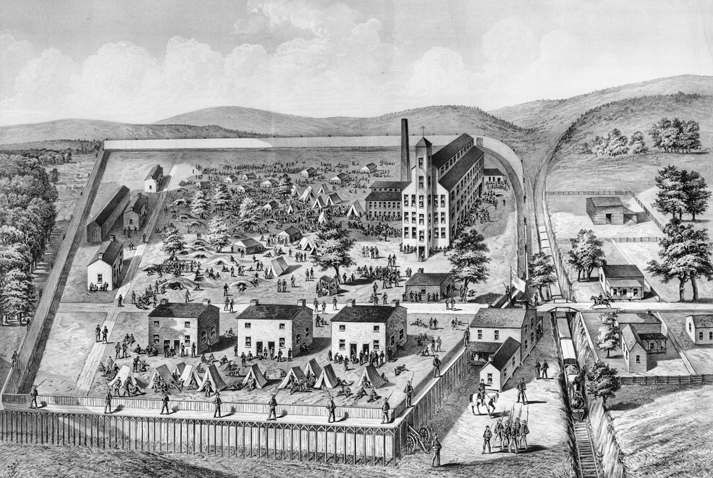
1c. Historical Context: “A band of Federals broke out of Salisbury prison last week, and the roads are running thick with patrols riding day and night looking for them.” This statement matches the time period of the book, 1864, because the Salisbury Prison was operating during the 1860s. By October 1864 the prison held 5000, and 10,000 soon after that. The town of Salisbury had only 2000 residents, making it the fourth largest town in the state.


2a. What this chapter reveals about Inman is that he is a very strong man, mentally, and physically, capable of surviving wounds in the neck and shots in the head. Even though Veasey was killed he still managed to move on very quickly. Inman is a changed man following his directional reversals and his near death. This chapter also shows Inman is a very vengeful person. Inman’s decision to kill Junior leads Inman to recognizes he needs to kill in certain situations. Seeking for some sense of order Inman tries to see his future in the pattern of a watermelon juice. This is an example of Inmans spiritual journey.

2b. Junior is a smart guy that first decided to befriend Inman and Veasey so then he can turn them in to the confederate home guards. It is suggested that Junior might me a murderer who consumes and feeds his family human meat. Junior's assassination by Inman once again demonstrates Inman has very good fighting skills.

3b.

Chapter 7: Exile And Brute Wandering

1a.  The title of this chapter, Exile and brute wandering, refers to the tales Inman and Odell were telling to each other. The book states that while they drank, they were telling each other tales of exile and brute wandering. Odell's tale was the story he told Inman of how he grew a forbidden love towards a slave, which his father strongly opposed, so he decided to send the slave to Mississippi, and how he decided to leave his town and wander to find his beloved Lucinda.
       In chapter 7 as Inman continues his journey he meets the preacher whose name is Solomon Veasey walking along the road. The preacher tells him that he was thrown out the community because of his crimes and thanks Inman for saving him of his sins. The preacher tells Inman of his plans to go to Texas and start a ranch as the two keep walking together though Inman doesn't want Veasey to accompany him. They find an abandoned house in which Inman looks for honey. Before leaving the abandoned house they talk about their wishes and what they seek. As they follow the stream Veasey sees catfish and tries to catch it by wrestling it but fails, Inman then shoots it. The two camp out for the night eating their fish when Veasey tries to get Inman to tell him his story. Inman tells him about a “blowup” in Petersburg. The next day comes with heavy rain. As Veasey and Inman go shopping for some supplies Veasey pulls a gun on the shopkeeper. Inman then hits Veasey in the head taking his gun and they both leave. They're both directed to an inn where they can spent their night by a slave woman. Veasey begins an argument with a customer over a “black whore” who goes by the name Big Tildy. Both Inman and Big Tildy intervene to prevent him from getting shot. Veasey leaves with Big Tildy while Inman pays for food and a bed. Inman finds that he is sharing his loft with a peddler named Odell. While Odell shares a flask with him he explains he is the heir to plantation in Georgia. Odell also shares that he fell in love with a slave named Lucinda who m he wanted to marry even if he was already married. When Odell confessed to his father that he was in love with a slave he sent her to work in another farm. Odell and Lucinda had an affair until he found out she was pregnant. When found out about Lucinda’s pregnancy he tried to buy her off his father, but that only made things worse since his father sent her to Mississippi instead. Odell left his home searching for her and became a peddler in order to make money. Odell also tells him about some of the terrible things he has seen in his travels. The next morning Inman leaves the inn and meets up with Veasey who has a cut under his eyes. Veasey tells him that it was worth it and was stunned by the naked body of a prostitute.

1b. Author's Style: In this chapter Frazier uses imagery, flashbacks, and allusions.
      Imagery: "Inman walked through days of cooling weather, blue skies, and empty roads". This imagery enables the reader to visualize the scenarios which Inman walked as the days passed.
      Imagery: "All Inman remembered of another day's march was the white sky and that sometime during it a crow had died in flight, falling with a puff of dust into the road before him, its black beak open and its grey tongue out as if to taste the dirt, and that later he came upon three farm girls in pale cotton dresses dancing barefoot in the dust of the road". This imagery enables the reader to clearly visualize how the crow looked when it had died in a day's march.
      Imagery: “One morning at the end of this time, Inman found himself walking through a wood of young poplar, their leaves already turning to yellow, though the season did not yet call for it." This imagery enables the reader visualize how one morning when Inman woke up he found himself walking through a poplar. It gives description of how the poplar looked.
      Flashback: "The mortar blew many of them to pieces, and when that was done, Inman's regiment led the attack into the crater, and the fighting inside was of a different order from any he had done before. It was war in is most antique form, as if hundreds, of men were put into a cave, shoulder to shoulder, and told to kill each other" this flashback is about his fighting with the federals.
      Allusion: "What he told Veasey was about the blowup at Petersburg" Allusion to the battle of the crater during the American civil war, which took place on July 30th.

1c. Historical Context: “All underfoot were bodies and pieces of bodies, and so many men had come apart in the blowup and the shelling that the ground was slick and threw a terrible stink from their wet internalments.” This statement matches the time period of the book, 1864, because during this time the battle of the Crater was being fought. It also matches the description Inman gives to Veasey. The Federals exploded a mine in Burnside’s IX Corps sector beneath Pegram’s Salient, blowing a gap in the Confederate defenses of Petersburg. From this propitious beginning, everything deteriorated rapidly for the Union attackers.
2a. What this chapter reveals about Inman is that even though he is capable of stealing, he is still good enough to leave some money to that person form which he stole the food from. It also shows that he still loves Ada strongly enough not to cheat on her with a whore, so that show he is a very devoted and honest husband/boyfriend. This chapter also reveals Inman is a very good friend because he intervenes twice, in the inn, and at the store, to save the preacher.

2b. Odell, the man Inman meets at the Inn, and Inman stay up most of the night telling tales of exile and brute wandering. Even though it’s Odell the one that talks about his unseemly love story, Inman feels identified. Odell could be considered pretty much a man who’s going through the same as Inman, since he left his house in order to find Lucinda, the woman he’s in love with. Odell’s story parallels Inman’s own quest to return to Ada

3b.


1.05.2016

Chapter 5: Like Any Other Thing, A Gift

1a. The title of this chapter, Like any other thing, a gift, referred to what Inman saw fighting as. Fighting had come easy to him; it was like a gift, but it was also like any other common thing.
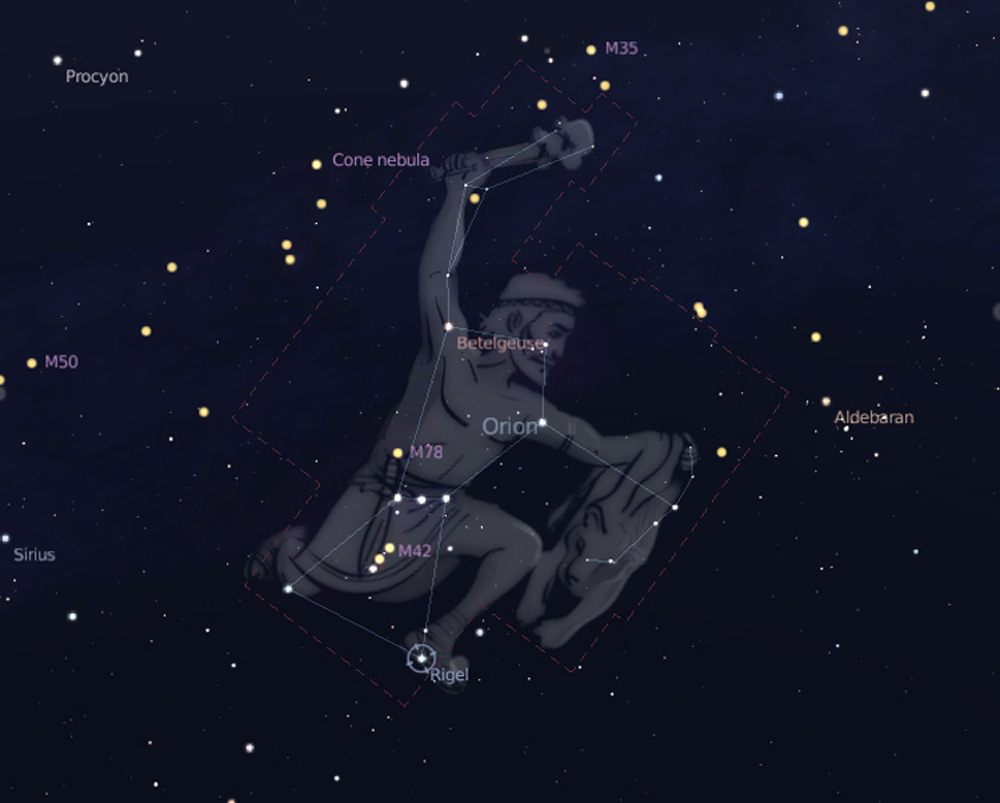
       Inman follows the side of the river during night. He sees something white in the distance and thinks it’s the guards. He then realizes it’s a man that is about to throw something wrapped in a white blanket, to the river. When the man sees Inman he thinks it's a message from God. Inman points a gun at the man, as the man tells him he's a preacher who has drugged his lover, who's pregnant, and was about to murder her by throwing her into the river. Inman ties the man and tells him to take him to where he lives. On their way to the town, the preacher tells Inman about his affair, and he even tells him tha hes actually engaged to someone, and that he would be expelled from his town if someone where to find out what hes doing. Inman then sees that Orion is rising and remember a time he saw it during the battle at Petersburg. Inman doesnt know what to do with the guy so he just ties him to a tree. Then taked the drugged woman back to her house, and there when the girl wakes up, its revealed that her name is Laura. Inman just tells her to go back to sleep and warns her about the preacher. Inman then writes a letter stating all of the preacher's crimes and pins it above his head on the tree. He leaves the town and spends the night under the shadow of a pine. Next morning he wakes up and continues his journey. An hour later he meets 2 slaves and follows the smell of meat to a camp full of people. He eats food as he watches a dark-haired woman that is riding a horse across the river.The woman reminds him of Ada. Then he decided to go into the woods to read his book Bartram's Travels as he drinks champagne. He then starts thinking about Laura and he remembers Ada once again. He falls asleep and has a pleasant dream about Ada. Then he wakes up and realizes everyone left, but he just continues his journey with a big smile and a happy spirit.

1b. Author's Style: In this chapter the author uses imagery, and allusions.
      Imagery: "The sheen of light on the water was so slight that he could see it only by looking to the side, like detecting faint stars by not peering right at them". The author uses a simile and compare the water to faint starts, to show that the water was very clear.

      Imagery: "Eventually, traversing a rocky bluff, the road became a narrow notch between the river below a drop-off and a steep bank of broken rock and dirt grown partly over with brush". This imagery enables the reader to visualize the road. The author uses descriptive words to facilitate the visualization.
      Allusion: "Something in the darkness of her hair or the way she moved or the thinness of her fingers reminded him momentarily of Ada". This is an allusion because the author is indirectly alluding to Ada by saying some features of the other girl reminded Inman of her.

1c. Historical Context: “One of the things Inman marked as a comfort was that he could put a name to the brightest star in Orion. He had shared that fact with a Tennessee boy on the night after Fredericksburg.” This statement matches the time period of the book, 1864, because two years before the battle at Fredericksburg had been fought, during day and nighttime.

2a. Inman is forced to witness the preacher’s guilty confession and becomes involved in the man’s personal life. This chapter reveals Inman is a very just and fair person because instead of deciding by himself what to do with the preacher, since that doesn’t correspond to him, he decided to leave it to the preacher’s community. This chapter also reveals that even though Inman is injured he is still very strong and in a stable condition. He is still strong enough to fight against someone, and he's even able to tie them.

2b. This chapter reveals the preacher is a very hypocrite person and he uses religion to justify his actions. The preacher has the gift of “talking seamlessly” though his effect on Inman is anything but soothing. The fact that the preacher talks a lot and says stuff that sometimes don’t even make sense makes me believe the preacher will be a burden to Inman. By contrast, Inman is not the type to relieve himself of his past, but the preacher is the kind of person who always finds a way to excuse his actions.

3b.


Chapter 3: The Color Of Despair

1a.  The tittle of the chapter, The color of despair, is a line that is part of a spell that Swimmer had taught Inman. Swimmer told Inman that his soul will fade to blue, which was the color of despair. I believe the color of despair, or blue, is a cool, and dim color that in art is used to represent tragedy and sad, depressed and melancholic emotions, so I think that’s what it represent here.
        Inman has been walking for days but is still close the hospital. Bad weather, dogs from the farms he passed, and the threat of the Home Guard, plus his wounded condition leave Inman tired and partially lost. Inman takes a smith’s scythe and beats all three men before absconding into the woods. He recites the words of a spell Swimmer taught him. The words recap him of Monroe’s sermon on Emerson and his conversation of why man was born to die. Inman continues his journey through the flatland forest and along a river. His thoughts of Cold Mountain and of Ada, of building a quiet life there together, keep him going. Inman reaches a ferry crossing and shouts across. A figure appears and uses a canoe to reach Inman. The rower is a young dark-haired girl which Inman agrees to pay her twenty dollars for his ride, although the sign says five, because she is saving up to buy a horse and saddle on which to ride away. While they are paddling upstream, the three townsmen appear with several other men and start attacking Inman. Inman and the girl jump into the river and use the sinking canoe for shelter and flow downstream, which help them escape and making Inman pay for the damages of the canoe.

1b. Author’s Style: In this chapter the author uses foreshadow, simile and imagery.
      Foreshadow: "His condition had required him to walk more slowly and to rest more often than he would have liked, and he had been able to cover only a few miles at a time, and even that slow pace had been at considerable cost." foreshadows that he will have a very hard time throughout his journey and that his condition might get even worst.
       Foreshadow: "The two men were gone, had left so recently that their rockers were still in motion" Foreshadows that the men might be near, or even watching him, it also suggest that he might see them again   

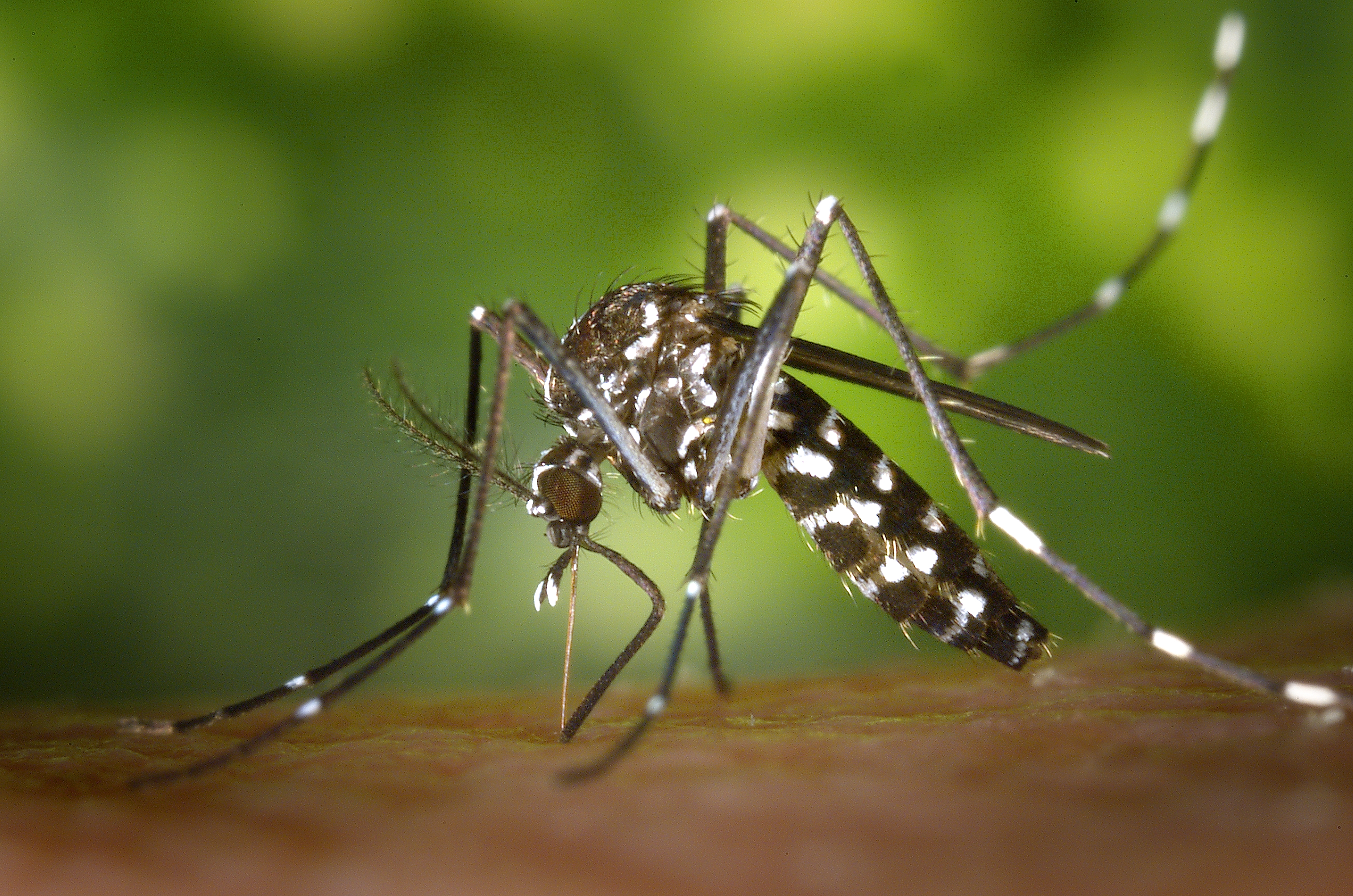
       Imagery: "Striped mosquitos hummed around his ears and bit his back through his shirt" Enables the reader to visualize how the mosquitoes looked like, how annoying they were and how they were biting him.

       Simile: "The river ran heavy and dark in curves like melted glass where it bowed over hidden rocks and then sank into troughs" This simile enables the reader to visualize how clear and transparent the river, that's why Freazier is comparing it to melted glass. 


1c. Historical Context: “Propped up against the wall behind the man was a fine Whitworth rifle, an elaborate brass-scoped artifact, with many complex little wheels and screws to adjust for windage and elevation.” This statement matches the time period of the book, 1864, because during that time, the Whitworth rifle were still being produced (from 1857-1865).

2a. Inman seems like a brave man, who doesn’t give up too easily. The fact that Inman defeated the two men shows that he has very good fighting abilities. Even though he is facing obstacles, he is not looking back and he is very focused in his goal, finding Ada. The fact that he gave $20 to the girl with the canoe also shows that he is a very humanitarian person, who is affected by other’s misery.

2b. The two men that Inman confronts at the store appear to be very confident. When one of the men challenges him by telling him “Where are you going, son of a bitch?” he silences their overconfidence with his own silence. The two men represent one of the many obstacles Inman has to face throughout his journey.

3b.

Chapter 1: The Shadow Of A Crow

1a.     The title of the chapter, the shadow of a crow, is mentioned at the beginning of the chapter when Inman had a flashback of when he was at school and threw his hat out the window. I believe the title of the chapter symbolizes Inman’s independence.
          Inman awakens in the hospital with a severe neck wound. The morning is too gloomy for him to see out of a window that usually provides him with a view of the street. Inman sits in a chair until sunrise; he pictures himself walking out of the window as he did when he first arrived at the hospital. A memory of his school days comes to mind, Inman was bored in his history class. He threw his hat out the window. The hat was caught by the wind and landed at the edge of a hayfield. The teacher threatened Inman with whipping him, but Inman walked out of the classroom, got his hat, and walked away from the school. Balis, the man in the bed next to Inman, wakes and begins working on translating ancient Greek texts. Balis’ right foot was blown off in battle, and his leg has decomposed increasingly along its length. Inman counts flies on the ceiling and waits for the blind man he has been observing for some weeks to arrive. He remembers the wound he received in battle near Petersburg. No one thought he would survive that wound. Inman also recalls how he played a game while recovering that involved counting time until an alteration occurred in the scene outside, framed by the open window. The blind man arrives, and Inman goes to talk to him. Inman is surprised to learn that the man has been blind from birth rather than as the result of some misfortune. The blind man said that it would have been worse to have been able to see the world and then lose that gift. The man does not wish for a chance to sight the world. He challenges Inman to cite a time when he would wish for blindness. Inman responds with a recounting of the gruesome slaughter of the battle of Fredericksburg. Inman returns to the room and opens his copy of Bartram’s Travels at random. He loses himself in images that recall him of his home’s mountainous landscapes. A few days later, Inman goes into town to buy goods, such as clothes and writing paper, with money sent from home and his back pay. He drinks coffee at an inn and reads his newspaper about army deserters and Cherokee troops. Inman then recalls a Cherokee boy, Swimmer, who he met when they were both very young. While they fished by a creek, Swimmer told Inman tales and spoke of the nature of the soul. He remembers Swimmer saying that the mountains are openings to a world above heaven where a “celestial race” lives. Inman told Swimmer that there was nothing at the top of Cold Mountain and other mountains he had climbed. Fiddle music draws Inman out of his daydream. He starts and then abandons a letter that informs the recipient of his return home. When he reaches his room, Inman sees that Balis has died. Inman flips through Balis’ papers and read the papers. That evening Inman double-checks his packs which are already filled with food. He takes up his packs and leaves through the window.

1b.  Author’s Style: In this chapter the author uses symbolism, imagery, and flashbacks.
         Imagery: "Inman's eyes and the long wound at his neck drew them (the flies), and the sound of their wings and the touch of their feet were soon more potent than a yardful of roosters in rousing a man to wake". This imagery helps us visualize how much the flies bothered him; it's comparing them to a yardful of roosters trying to wake up a man. It's also helping us visualize that his wound was in a very bad condition.
         Imagery: "The hayfield beyond the beaten dirt of the school playground stood paint waist high, and the heads of grasses were turning yellow from need of cutting" This imagery enables the readers to visualize the landscape of how Inman's school used to look like.

         Flashback:  "That morning, though, it surprised him, for it brought to mind a lost memory of sitting in school, a similar tall window beside him framing a scene of pastures and low green ridges terracing up to the vast hump of Cold Mountain". This is the beginning sentence of a flashback Inman is about to have at the hospital. He is remembering a day in school in Cold Mountain.   
         Symbolism: “He flipped his wrist, and the hat skimmed out the window and caught an updraft and soared. It landed far out across the playground at the edge of the hayfield and rested there black as the shadow of a crow squatted on the ground” The crow symbolizes Inman’s independence, when he throws his hat out of the window as a boy, and it also symbolizes his internal disorder


1c. Historical Context: “His right foot had been taken off by grape at Cold Harbor, and the stub seemed not to want to heal and had rotted inch by inch from the ankle up.” This statement matches the time period of the book, 1864, because the Cold Harbor war was fought from May 31 to June 12, 1864.

2a. Inman is a physically injured man; he has a wound in his neck. He seems depressed and traumatized, and he drowns in the memories of Ada throughout the day, while troubling dreams related to the war haunt him during the night. Inman is clearly engaged with the world and seeks out other people in it; he is as troubled by the world as he’s fascinated by it. He needs to get rid of his past but he doesn’t know how to.

2b. Balis is also a physically injured man. His effect on Inman is not so positive. Since Balis is closer to death than to life, he gives Inman less hopes of living. Balis may prove a character foil to Inman: one who wastes his time escaping from reality and entering fantasy, in contrast with a man of action but little learning.

3b.