Inman awakens in the hospital with a severe neck wound. The morning is too gloomy for him to see out of a window that usually provides him with a view of the street. Inman sits in a chair until sunrise; he pictures himself walking out of the window as he did when he first arrived at the hospital. A memory of his school days comes to mind, Inman was bored in his history class. He threw his hat out the window. The hat was caught by the wind and landed at the edge of a hayfield. The teacher threatened Inman with whipping him, but Inman walked out of the classroom, got his hat, and walked away from the school. Balis, the man in the bed next to Inman, wakes and begins working on translating ancient Greek texts. Balis’ right foot was blown off in battle, and his leg has decomposed increasingly along its length. Inman counts flies on the ceiling and waits for the blind man he has been observing for some weeks to arrive. He remembers the wound he received in battle near Petersburg. No one thought he would survive that wound. Inman also recalls how he played a game while recovering that involved counting time until an alteration occurred in the scene outside, framed by the open window. The blind man arrives, and Inman goes to talk to him. Inman is surprised to learn that the man has been blind from birth rather than as the result of some misfortune. The blind man said that it would have been worse to have been able to see the world and then lose that gift. The man does not wish for a chance to sight the world. He challenges Inman to cite a time when he would wish for blindness. Inman responds with a recounting of the gruesome slaughter of the battle of Fredericksburg. Inman returns to the room and opens his copy of Bartram’s Travels at random. He loses himself in images that recall him of his home’s mountainous landscapes. A few days later, Inman goes into town to buy goods, such as clothes and writing paper, with money sent from home and his back pay. He drinks coffee at an inn and reads his newspaper about army deserters and Cherokee troops. Inman then recalls a Cherokee boy, Swimmer, who he met when they were both very young. While they fished by a creek, Swimmer told Inman tales and spoke of the nature of the soul. He remembers Swimmer saying that the mountains are openings to a world above heaven where a “celestial race” lives. Inman told Swimmer that there was nothing at the top of Cold Mountain and other mountains he had climbed. Fiddle music draws Inman out of his daydream. He starts and then abandons a letter that informs the recipient of his return home. When he reaches his room, Inman sees that Balis has died. Inman flips through Balis’ papers and read the papers. That evening Inman double-checks his packs which are already filled with food. He takes up his packs and leaves through the window.
1b. Author’s Style: In this chapter the author uses symbolism, imagery, and flashbacks.
Imagery: "Inman's eyes and the long wound at his neck drew them (the flies), and the sound of their wings and the touch of their feet were soon more potent than a yardful of roosters in rousing a man to wake". This imagery helps us visualize how much the flies bothered him; it's comparing them to a yardful of roosters trying to wake up a man. It's also helping us visualize that his wound was in a very bad condition.
Imagery: "The hayfield beyond the beaten dirt of the school playground stood paint waist high, and the heads of grasses were turning yellow from need of cutting" This imagery enables the readers to visualize the landscape of how Inman's school used to look like.

Flashback: "That morning, though, it surprised him, for it brought to mind a lost memory of sitting in school, a similar tall window beside him framing a scene of pastures and low green ridges terracing up to the vast hump of Cold Mountain". This is the beginning sentence of a flashback Inman is about to have at the hospital. He is remembering a day in school in Cold Mountain.
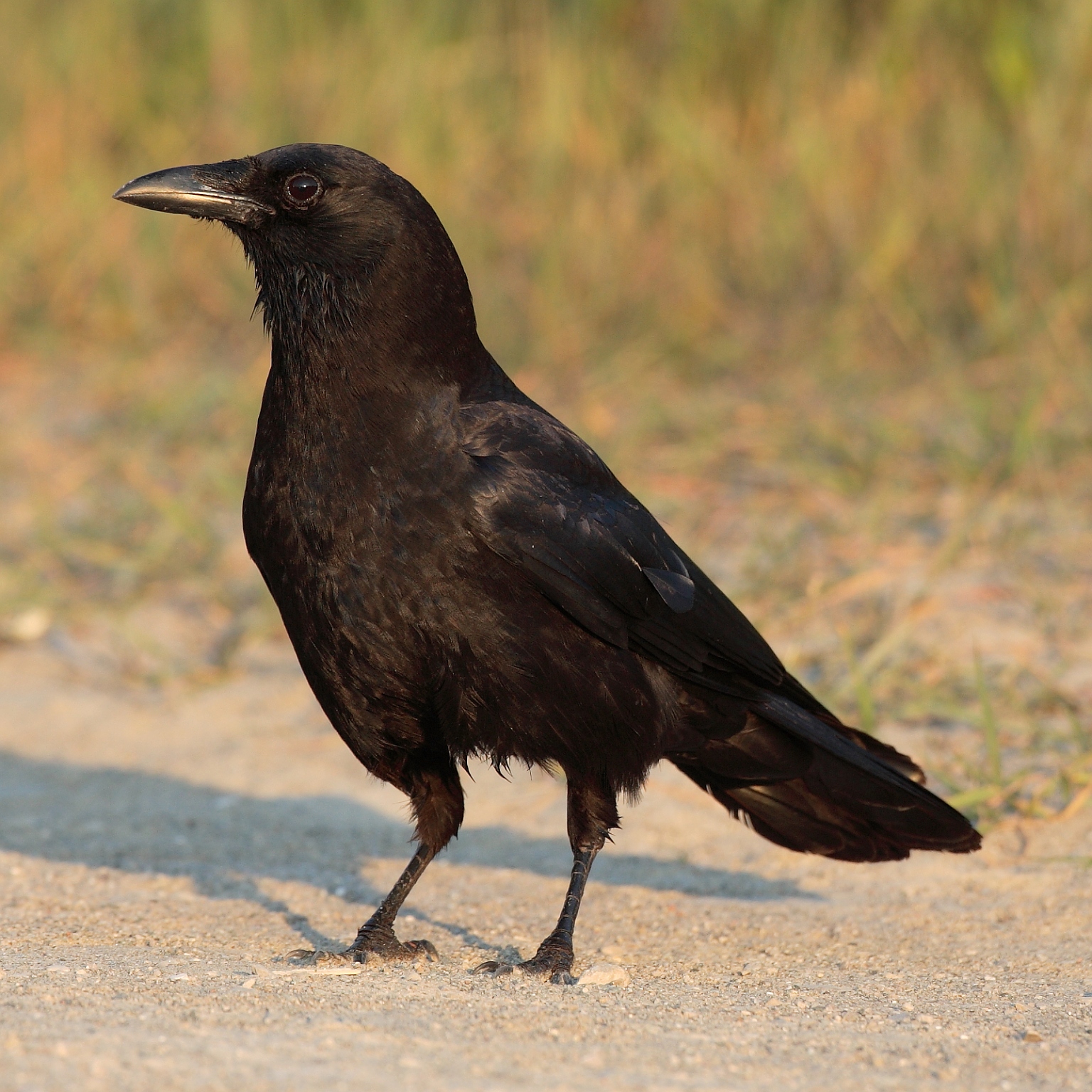
Symbolism: “He flipped his wrist, and the hat skimmed out the window and caught an updraft and soared. It landed far out across the playground at the edge of the hayfield and rested there black as the shadow of a crow squatted on the ground” The crow symbolizes Inman’s independence, when he throws his hat out of the window as a boy, and it also symbolizes his internal disorder
1c. Historical Context: “His right foot had been taken off by grape at Cold Harbor, and the stub seemed not to want to heal and had rotted inch by inch from the ankle up.” This statement matches the time period of the book, 1864, because the Cold Harbor war was fought from May 31 to June 12, 1864.

2a. Inman is a physically injured man; he has a wound in his neck. He seems depressed and traumatized, and he drowns in the memories of Ada throughout the day, while troubling dreams related to the war haunt him during the night. Inman is clearly engaged with the world and seeks out other people in it; he is as troubled by the world as he’s fascinated by it. He needs to get rid of his past but he doesn’t know how to.
2b. Balis is also a physically injured man. His effect on Inman is not so positive. Since Balis is closer to death than to life, he gives Inman less hopes of living. Balis may prove a character foil to Inman: one who wastes his time escaping from reality and entering fantasy, in contrast with a man of action but little learning.
3b.


No comments:
Post a Comment